
What is an engineered cell?
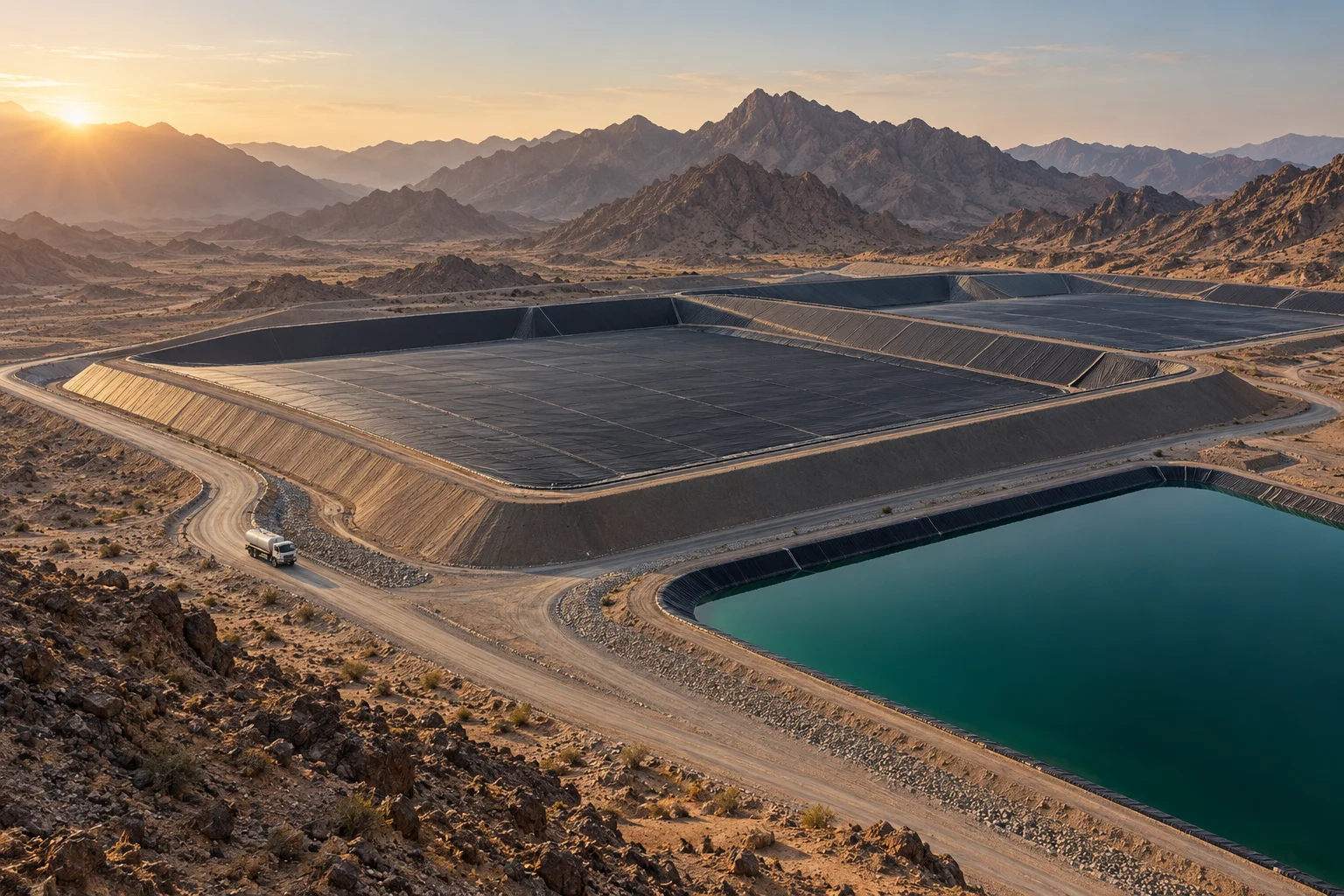
A prepared disposal area for defined waste streams, designed for stability and containment. Components include lining, leachate and stormwater management, with gas management where waste characteristics require it.
ESWR · EXPERTISE & INSIGHT
From cell preparation to lining and containment
A prepared disposal area for defined waste streams, designed for stability and containment. Components include lining, leachate and stormwater management, with gas management where waste characteristics require it.
Leachate may carry pollutants after contact with waste. Limiting rainwater ingress and managing leachate separately reduces treatment and operating demands.
Containment, drainage and protection work together. Layer materials and dimensions follow risk assessment, the approved design and applicable requirements.
Filling stages, final cover, drainage, maintenance access and monitoring belong in early planning. Accepting the last load does not end the need for site care.
Liquids can move through soil toward groundwater. A properly designed and installed lining system limits that pathway, supported by liquid collection and monitoring.
Ponds, tanks and disposal cells need solutions matched to their contents and site conditions. A water pond and a hazardous waste facility do not share a universal liner specification.
HDPE can be one component. Subgrade preparation, chemical compatibility, thickness, protection, penetrations and anchorage all matter. The approved design determines the final system.
Preventing releases helps protect resources beyond the operating life of a project. Monitoring and maintenance remain essential during operation and, where applicable, after closure.
FROM UNDERSTANDING TO DELIVERY
The final scope and technical details follow site requirements and the approved design.